


Carta de la CEO
Queridas amigas y amigos, colegas y aliados, Durante la última década, el liderazgo escolar ha pasado de ocupar un lugar marginal en los debates educativos globales a ser reconocido como un factor clave para la transformación sistémica. Cada vez más gobiernos, financiadores y organizaciones implementadoras se preguntan cómo invertir en directores escolares puede contribuir de manera significativa a una mejor enseñanza, programas más sólidos y mejores resultados para los estudiantes. Global School Leaders se ha dedicado a responder esta pregunta con cuidado y rigor. Junto con gobiernos, ONGs y socios de investigación, hemos puesto a prueba distintos enfoques para fortalecer el liderazgo escolar en contextos diversos del Sur Global, y hemos seguido de cerca estos esfuerzos a lo largo del tiempo. En 2025, concluimos y sintetizamos un conjunto de estudios experimentales y de largo plazo que representan un hito importante en nuestro recorrido investigativo. A medida que nos preparamos para compartir informes detallados y análisis de cada uno de estos estudios a lo largo de 2026, nos entusiasma destacar los aprendizajes clave que comienzan a emerger. En primer lugar, una formación en liderazgo escolar bien diseñada puede mejorar los resultados de los estudiantes. En distintos contextos, nuestros estudios muestran que el apoyo al liderazgo fortalece las prácticas de enseñanza, mejora la participación en el aula y genera avances medibles para los estudiantes, incluyendo mejoras en el aprendizaje, el clima escolar y el sentido de pertenencia. Es importante destacar que estos beneficios pueden lograrse a una fracción del costo que implicaría llegar a cada docente de forma individual. En segundo lugar, los directores escolares desempeñan un papel fundamental en la calidad de la implementación. Muchas intervenciones educativas prometedoras no fracasan por debilidad conceptual, sino porque la ejecución se quiebra en el último tramo, cuando los programas llegan al nivel de la escuela. Nuestra investigación muestra que cuando los directores escolares se involucran de manera intencional —observando aulas, acompañando a los docentes y reforzando rutinas esenciales— los programas se implementan con mayor fidelidad y tienen más posibilidades de consolidarse. En la práctica, esto significa que los directores actúan como multiplicadores de fuerza para otras inversiones. Por último, la evidencia es igualmente clara en señalar que el impacto no es automático. El contenido de los programas, los métodos de implementación y las condiciones del sistema importan. El apoyo al liderazgo funciona mejor cuando se sostiene en el tiempo, se basa en herramientas prácticas, se refuerza mediante acompañamiento o aprendizaje entre pares, y se integra en sistemas que protegen el tiempo de los directores para el trabajo pedagógico. En conjunto, estos hallazgos refuerzan una idea simple pero poderosa: el fortalecimiento del liderazgo escolar debería considerarse cada vez más un pilar central de todo esfuerzo serio por mejorar el aprendizaje a escala. Para quienes formamos parte de GSL, estas lecciones no son solo hallazgos de investigación: están dando forma a nuestra manera de trabajar. Junto con nuestros socios, estamos concentrando nuestros esfuerzos en fortalecer el desarrollo profesional de los directores escolares y en mejorar las condiciones más amplias que les permiten tener éxito. Esto incluye generar y compartir evidencia y herramientas prácticas, apoyar coaliciones que reúnan a distintos actores en torno al liderazgo escolar, y brindar asistencia técnica a organizaciones y sistemas que trabajan por fortalecer las políticas y prácticas de liderazgo. Este informe refleja ese recorrido. Reúne la evidencia que estamos generando, las redes que estamos construyendo y el trabajo que nuestros socios realizan en distintas regiones para traducir estos aprendizajes en acción. Estoy profundamente orgulloso del equipo de Global School Leaders por la calidad y el compromiso que aportaron a este trabajo a lo largo del año, y enormemente agradecido con los socios, investigadores, financiadores y directores escolares que continúan dando forma a este esfuerzo junto a nosotros. Nuestra convicción sigue siendo simple: las escuelas de excelencia comienzan con líderes de excelencia. Seguimos comprometidos con nuestra visión de que los estudiantes de América Latina, África y Asia puedan contar con un liderazgo escolar sólido que amplíe sus oportunidades de aprender y prosperar. Gracias por caminar este camino con nosotros: por su confianza, su alianza y su fe en el papel que los directores escolares juegan en la construcción de mejores oportunidades para niños, niñas y comunidades.

Camila Pereira
CEO, Global School Leaders
2025 en números
Cultivando un campo global
En 2025, ampliamos nuestro enfoque más allá de la capacitación para fortalecer todo el campo del liderazgo escolar. A partir de nuestro trabajo previo, aprendimos que un cambio real en los sistemas requiere preparar el terreno de las políticas, sembrar las bases con evidencia rigurosa y cultivar relaciones sólidas de colaboración. Durante este año, nos dedicamos a poner los cimientos necesarios, creando un ecosistema fértil donde el liderazgo escolar efectivo se pueda arraigar y prosperar.
Este informe describe cómo cultivamos el campo en 2025 para apoyar el crecimiento de los líderes en todas partes.
Hitos clave

Síntesis de evidencia aplicable
Concluimos cinco importantes proyectos de investigación de varios años (incluidos ECA en India e Indonesia) que proporcionan pruebas rigurosas de que la capacitación en liderazgo escolar mejora directamente los resultados de aprendizaje de los estudiantes y el clima escolar.
Expansión del Hub Regional
Lanzamos con éxito el Hub de Liderazgo Escolar del Sudeste Asiático (SEA) en colaboración con SEAMEO y el Hub de América Latina y el Caribe (LAC) transicionó a su fase de implementación completa.
Ampliando el ecosistema del conocimiento
Abrimos un portal de recursos público que ahora alberga más de 400 herramientas, con 213 organizaciones de 35 países registradas para utilizar estas buenas prácticas basadas en evidencia.
Nuestro alcance global
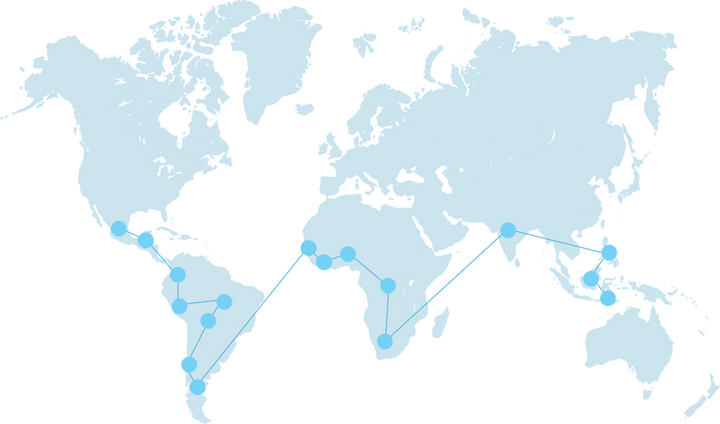
37 socios en 17 países
Coaliciones de liderazgo específicas
Establecimos la Alianza de Escuelas con Equidad de Género en Ghana y Kenia y graduó el primer grupo de SheLeads, un programa diseñado específicamente para empoderar a las mujeres en roles de liderazgo escolar.
Influencia en políticas y sistemas
Cerramos la brecha entre los datos y la práctica mediante la convocatoria conjunta del Foro School Leadership Matters con la UNESCO, que reunió a más de 1000 participantes de 78 países para establecer una agenda global para la política de liderazgo escolar.
Nuestro trabajo tiene estas capas esenciales e interconectadas:
Las semillas de la investigación y el conocimiento,
las raíces de la colaboración y las ramas de la implementación.
Formación y consultoría
El alcance y el refugio
Finalmente, el árbol se extiende hacia afuera. A través de la capacitación y la consultoría estratégica, nos expandimos para llegar a los líderes escolares y los sistemas gubernamentales en asociación con organizaciones locales, ofreciendo el apoyo necesario para que las escuelas prosperen.
las ramas
Recursos, herramientas y evidencia El ADN del cambio.
las semillas
Todo comienza aquí. Sembramos las semillas de evidencia aplicable rigurosa y recursos y herramientas escalables. Estos son los núcleos de conocimiento potentes y replicables que demuestran cómo el liderazgo escolar puede impulsar el cambio y brindar los medios prácticos para influir en la enseñanza y el aprendizaje de manera efectiva.
Creación de coaliciones y redes
El ancla y fuente de sustento
Las raíces
Un árbol no puede sobrevivir sin un sistema de raíces fuerte. Nuestras Coaliciones y Redes conectan esfuerzos aislados, tejiendo una red subterránea de aliados y financiadores, aprovechando la sabiduría local para brindar la estabilidad necesaria que fortalece el sistema.
Este informe describe cómo hemos cultivado el campo en 2025 para apoyar el crecimiento de los líderes escolares en todas partes.
Semillas
Conocimiento, recursos, herramientas y evidencia
Así como cada cosecha comienza con una sola semilla, nuestro impacto comienza con los elementos centrales del conocimiento y la evidencia rigurosa. Este año, nos centramos en analizar datos de alta calidad y generar herramientas prácticas necesarias para demostrar que el liderazgo escolar es una palanca fundamental para el cambio.
Evidencia aplicable y datos que la respaldan
El año 2025 marcó la cosecha de conocimientos de cinco importantes proyectos de investigación de varios años en contextos diversos como India, Indonesia y Sierra Leona, y hemos tratado de responder cuatro preguntas recurrentes y esenciales que definen el futuro del campo:
Abordamos nuestros proyectos con una perspectiva basada en evidencia, enfocada en generar conocimiento desde y para el Sur Global. Al compartir nuestros hallazgos de manera abierta, esperamos contribuir a una cultura de aprendizaje continuo y colaboración que pueda acelerar el cambio sistémico en el liderazgo escolar.


Una imagen coherente emerge de nuestros estudios
Los líderes escolares se encuentran en la intersección de la política y la práctica
Nuestros hallazgos refuerzan que el liderazgo escolar debe ser tratado como un pilar central de cualquier estrategia seria para mejorar el aprendizaje a escala.
Al sintetizar evidencia de ensayos controlados aleatorios en India e Indonesia, junto con pruebas A/B en Sierra Leona, estamos avanzando de resultados aislados hacia una comprensión clara de lo que hace posible la profesionalización del liderazgo escolar.
Nos entusiasma comenzar a compartir informes completos y datos individuales de estos estudios a lo largo de 2026.
DESTACADO
LeadFLN
Lead FLN is a guide to FLN-focused instructional leadership
.png)
Se basa en la evidencia más reciente sobre FLN y prácticas docentes efectivas, y en conocimientos y buenas prácticas sobre observación de lecciones, retroalimentación, colaboración docente y aprendizaje entre pares. En 2025, implementamos Lead FLN en colaboración con EducAid y el Foro Nacional de Concientización Juvenil (NYAF) en Sierra Leona. Nuestro enfoque de investigación en LeadFLN fue probar el contenido de Lead FLN en un contexto de bajos recursos y comprender la eficacia y aceptación de la implementación.
Aspectos destacados de la investigación:
Alto compromiso y viabilidad
El piloto en Sierra Leona demostró una aceptación excepcionalmente alta, con un modelo de aprendizaje combinado (que utiliza módulos de video) que demostró ser una alternativa altamente efectiva y eficiente en términos de tiempo a los talleres tradicionales en persona.
Prácticas de liderazgo mejoradas
Los líderes escolares en el programa mostraron una mejora significativa en el apoyo a su personal, específicamente creando más tiempo para que los maestros reflexionen sobre su instrucción y utilizando observaciones de lecciones para ayudar a los maestros a desarrollar prácticas FLN efectivas.
Enseñanza y aprendizaje fortalecidos
La intervención condujo a un uso más frecuente de los datos de la evaluación FLN por parte de los profesores para establecer los objetivos de los estudiantes, y los resultados preliminares indican que los estudiantes en el programa basado en videos mostraron un patrón más claro de mayores avances en aritmética y alfabetización.
DESTACADO
Liderazgo escolar con equidad de género

Una pregunta que a veces surge en las conversaciones sobre equidad de género es si el género debe abordarse como una cuestión específica de equidad o como parte de muchas otras desigualdades que enfrentan las personas, como la pobreza, la casta, la discapacidad, la religión o el idioma. En 2025, probamos dos enfoques de desarrollo del liderazgo escolar en 155 escuelas secundarias gubernamentales en Telangana, India: uno que se centró explícitamente en la equidad de género y otro que incorporó el género dentro de un marco de equidad más amplio. Nuestra investigación tuvo como objetivo comprender qué enfoque generó un compromiso más fuerte y cambios más claros en las prácticas de los líderes escolares y docentes, y en las experiencias de los estudiantes.
Aspectos destacados de la investigación:
Compromiso más fuerte con un enfoque claro
Los líderes escolares del programa centrado en género asistieron a más talleres, participaron de manera más constante en el asesoramiento y reportaron una mayor satisfacción en comparación con aquellos en el programa de equidad más amplio.
Clearer Shifts in Practice
Cuando el enfoque explícito era el género, los líderes escolares encontraron que el contenido era más fácil de comprender y aplicar a los desafíos diarios, como el abandono escolar y las brechas de confianza en la participación de los estudiantes. Adoptaron prácticas como observaciones más frecuentes en el aula y debates estructurados con los profesores sobre participación equitativa y seguridad.
Improved Student Experience
Los estudiantes de escuelas con enfoque de género tenían más probabilidades de reportar una participación igualitaria de niñas y niños en clase y una mayor confianza para hablar, y mejoras en el sentido general de pertenencia, particularmente para las niñas.

Aprendizajes clave
Centrarse explícitamente en el género puede fortalecer el compromiso del liderazgo y acelerar la acción.
Comenzar con “triunfos rápidos” prácticos y viables aumenta la aceptación y la credibilidad.
La equidad de género se puede alinear con lo que los líderes escolares ya priorizan, por ejemplo, la participación de los estudiantes, la seguridad y la cultura escolar.
Si bien el género está interconectado con desigualdades sistémicas más amplias, la claridad de enfoque a nivel escolar hace que el cambio sea más factible y sostenible.
Tendencias globales de la encuesta PULS 2025
Más allá de nuestros estudios longitudinales de varios años, GSL ha realizado la Encuesta para Promover la Comprensión del Liderazgo en las Escuelas (PULS, por sus siglas en inglés) desde 2020. PULS proporciona a los responsables de políticas y a los tomadores de decisiones un acceso directo a la realidad "sobre el terreno" del liderazgo escolar en países de ingresos bajos y medianos.
En 2025, la encuesta se centró en la Alfabetización y Numeración Fundamental (FLN, por sus siglas en inglés). Si bien continuamos analizando los contextos locales, los datos iniciales de 12.453 directores escolares en 16 países del Sur Global han revelado cuatro tendencias emergentes críticas:

La brecha entre compromiso y capacidad
Si bien los líderes escolares dan prioridad casi universalmente a la FLN, existe una brecha significativa entre creer en su importancia y tener el apoyo específico necesario para impulsar mejoras en la instrucción.

Los datos como palanca sin explotar
Los líderes identifican una necesidad crítica de capacitación específica sobre cómo traducir los datos a nivel escolar en decisiones pedagógicas informadas y cotidianas.

El acto de equilibrio
La implementación exitosa del FLN requiere una delicada combinación de supervisión administrativa y capacitación educativa. Actualmente, muchos líderes luchan por equilibrar estas demandas y la carga administrativa asume el control en la mayoría de las ocasiones.

Alfabetización liderada por la comunidad
Involucrar a las familias y a las comunidades locales se está convirtiendo en una palanca poderosa, aunque infrautilizada, para acelerar los resultados fundamentales del aprendizaje.
El Informe global PULS 2025 completo se publicará durante el 2026.
Recursos y herramientas
GSL cree que las mejores prácticas y herramientas de alta calidad basadas en evidencia para el liderazgo escolar deberían ser bienes públicos. Para ayudar a los socios y organizaciones de todo el mundo, hemos hecho que todo nuestro repositorio de recursos sea abierto y de acceso gratuito. Este año, priorizamos herramientas que abordan la alfabetización y aritmética básica (FLN), la equidad de género y las mujeres en puestos de liderazgo.
1.
El portal de recursos de GSL: alcance global
En 2025, abrimos el acceso a nuestra biblioteca completa mediante el lanzamiento del Portal de recursos GSL, una colección seleccionada de más de 400 herramientas basadas en evidencia, que incluyen planes de sesiones, investigaciones y estudios de casos, diseñados para fortalecer el liderazgo escolar. Estos recursos están diseñados para ser adaptables en cualquier contexto educativo.
Desde su lanzamiento, el alcance evidencia una audiencia muy comprometida y en sintonía con la misión:
180 personas de 150 organizaciones en 36 países se han registrado y accedido a la plataforma.
La mayoría de los usuarios son profesionales en roles de liderazgo clave, principalmente liderando una organización (CEO/Directores) o liderando capacitación (Gerentes de Programa/Capacitación).
El 63 % de los usuarios representan organizaciones sin fines de lucro y empresas sociales, lo que garantiza que estas herramientas lleguen a las comunidades que más las necesitan.
Portal en acción
Enseñá por Argentina es una organización nacional comprometida con la equidad y la transformación educativa apoyando el liderazgo docente y el cambio institucional. Para su programa Conectá x Argentina, que lleva Internet satelital y capacitación a 33 escuelas, utilizaron el Portal GSL y codiseñaron sesiones de capacitación contextualizadas con GSL. Al adaptar nuestros materiales, están fortaleciendo la capacidad de los líderes escolares para integrar la tecnología y fomentar entornos de aprendizaje inclusivos.

2.
Guía de género: Liderazgo valiente, escuelas seguras
Recurso práctico que aborda cinco dimensiones críticas del liderazgo con equidad de género en las escuelas
Guía en acción:
ConnectEd es una organización que se asocia con líderes de escuelas rurales de Guatemala para impulsar cambios significativos en sus comunidades. En 2025, apoyamos a ConnectEd en el desarrollo de su nuevo plan de estudios centrado en el género. Utilizando nuestros recursos, Brave Leadership, Safe Schools, colaboramos para diseñar una serie de capacitaciones para los participantes de sus programas, creadas con y por los propios participantes. Las guías y las historias incluidas en el conjunto de recursos les permitieron incorporar actividades sencillas y prácticas, al tiempo que garantizaron que pudieran adaptarse a su contexto específico.
3. El libro de historias
Este libro de historias presenta las voces de 10 líderes escolares, tanto hombres como mujeres, de Asia, América Latina y África. A través de impactantes relatos de la vida real, estos líderes comparten cómo han avanzado en la equidad de género en sus escuelas, detallando las estrategias que utilizaron y el impacto que han tenido en sus comunidades. También organizamos un evento de lanzamiento en persona en Lima, Perú, en colaboración con Heroínas Peruanas, nuestro socio en el desarrollo y edición del libro de historias.
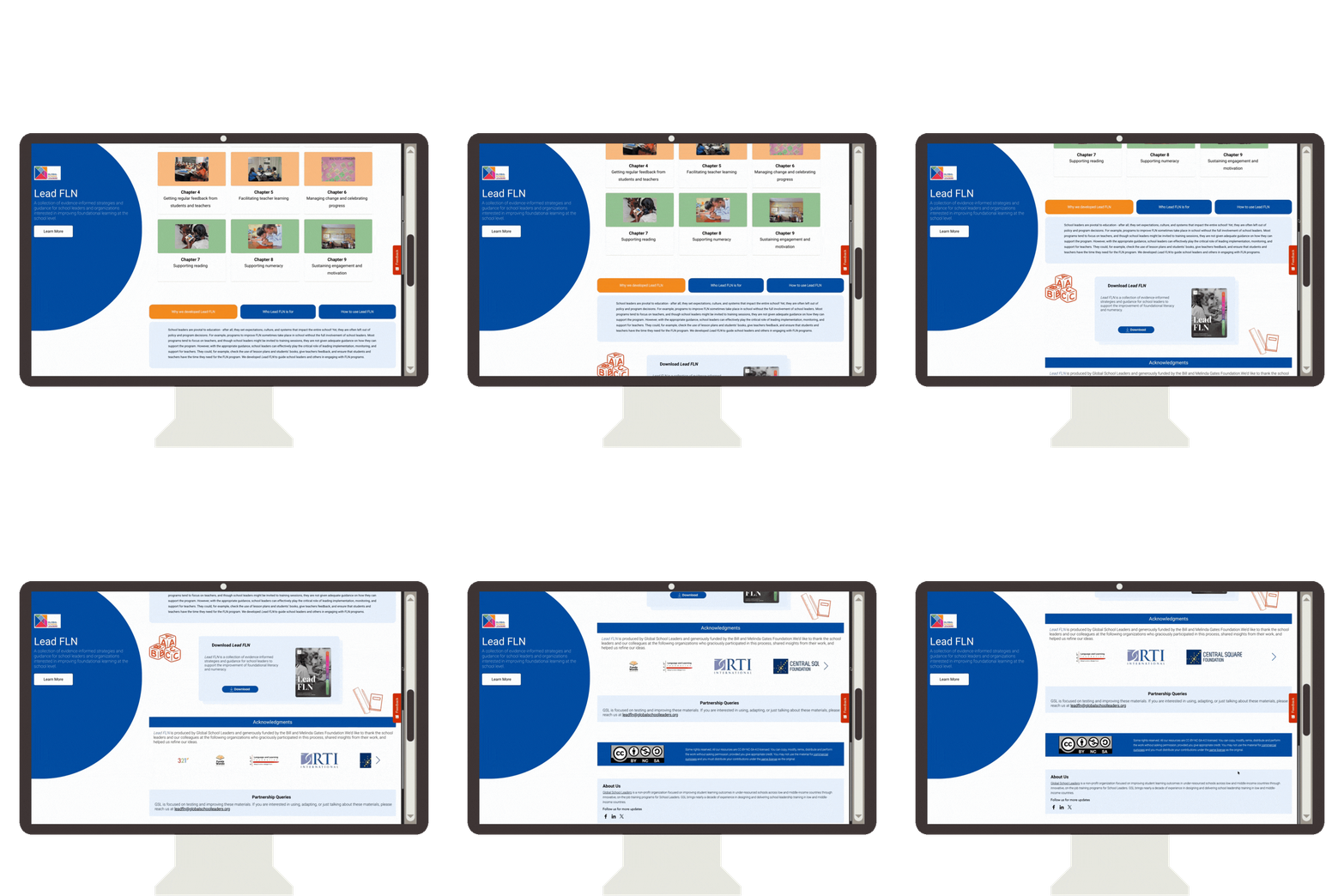
4. Portal LeadFLN
El portal Lead FLN alberga un conjunto de recursos de liderazgo educativo, que incluyen una guía completa, videos instructivos y una revisión de la literatura sobre el aprendizaje fundamental. En 2025, pusimos a prueba Lead FLN en Sierra Leona con EducAid y NYAF para evaluar la efectividad de la implementación en contextos de bajos recursos.
Estas herramientas traducen la evidencia más reciente sobre la enseñanza efectiva en conocimientos prácticos para la observación de lecciones y el aprendizaje entre pares. Durante el último año, 35 organizaciones de 17 países han accedido a estos recursos especializados.
"Sobre el papel, en la mayoría de los países, la igualdad de género ya existe. Pero aunque exista sobre el papel, no existe en la mente de las personas. Y si no logramos cambiar la mentalidad de la gente, entonces realmente no hemos cambiado nada. En este contexto, el papel del director escolar es sumamente importante: garantizar que todos los niños y niñas tengan las mismas responsabilidades, derechos y oportunidades. Los ejemplos de cómo las escuelas están abordando este desafío pueden verse en las historias de este proyecto. Muestran cambios fundamentales en la forma en que los estudiantes y la comunidad en general perciben los roles de los niños y las niñas."
.jpeg)
Jaime Saavedra
Director de Desarrollo Humano para América Latina y el Caribe, Banco Mundial reflexionó sobre la guía “Brave Leadership, Safe Schools”.
“El enfoque de género se puede aplicar en diferentes áreas curriculares para promover la igualdad de género y desafiar los estereotipos. Al incorporar una perspectiva de género en la enseñanza, se puede fomentar una mayor comprensión y respeto por la diversidad.”

Ana Quiróz
SL de Perú, parte del libro de historias “Brave Leadership, Safe Schools”.
Raíces
Fortaleciendo el sistema:
construcción de coaliciones
La fortaleza de cualquier ecosistema depende de la salud de sus raíces: las redes de colaboración que sostienen el crecimiento incluso en tiempos de cambio. Este año profundizamos nuestro compromiso con la co-creación, trabajando junto a 42 socios para construir una infraestructura sólida que permita que los líderes escolares cuenten con el respaldo de sus comunidades y de los gobiernos que los rodean.
Durante el último año, GSL fortaleció sus redes globales para impulsar el liderazgo escolar. Activamos Hubs regionales en América Latina y el Caribe, y en el Sudeste Asiático, y profundizamos nuestras alianzas con actores clave de estas regiones y del ecosistema educativo en general. También realizamos un estudio de mapeo sobre liderazgo en la educación de la primera infancia (ECED) y estamos avanzando en la creación de un Grupo de Trabajo Técnico sobre este tema.
A través de espacios de encuentro como el School Leadership Matters Summit y los eventos del Informe GEM, contribuimos a que el liderazgo escolar del Sur Global tenga cada vez mayor presencia y reconocimiento en los debates educativos a nivel mundial.
Coalition Building and Networks
Cambio estratégico:
De la incubación a la interconexión
Con los cambios en nuestra dirección estratégica en 2025, reconocimos que nuestro lugar dentro del ecosistema educativo global nos posiciona de manera natural para conectar actores, algo fundamental para impulsar cambios en los sistemas. Por eso, decidimos reforzar nuestro rol histórico como articuladores. A continuación, presentamos algunas de las formas en que estamos aprovechando esas conexiones para avanzar en nuestra misión.


Nuestros socios y red:
Nuestros socios:
Construimos una comunidad diversa y activa orientada al impacto, donde socios de distintos perfiles, desde organizaciones locales hasta actores que articulan esfuerzos entre países, desempeñan un papel clave en la transformación del liderazgo escolar en el Sur Global.
Nuestra red:
Fomentamos las conexiones estratégicas que evolucionan hacia un aprendizaje compartido y colaboraciones sistémicas profundas, elevando la experiencia y los perfiles de nuestros socios dentro del panorama educativo global.
Creando nuevas oportunidades de colaboración
Hubs regionales:
Los Hubs regionales son el eje central de nuestra nueva estrategia. Estos espacios ponen al liderazgo escolar en el centro como clave para mejorar la calidad y la equidad de la educación en toda la región. Están diseñados para enfrentar la fragmentación del sector educativo, donde los actores a menudo no cuentan con espacios dedicados para la colaboración, el diálogo y el aprendizaje compartido sobre liderazgo escolar.

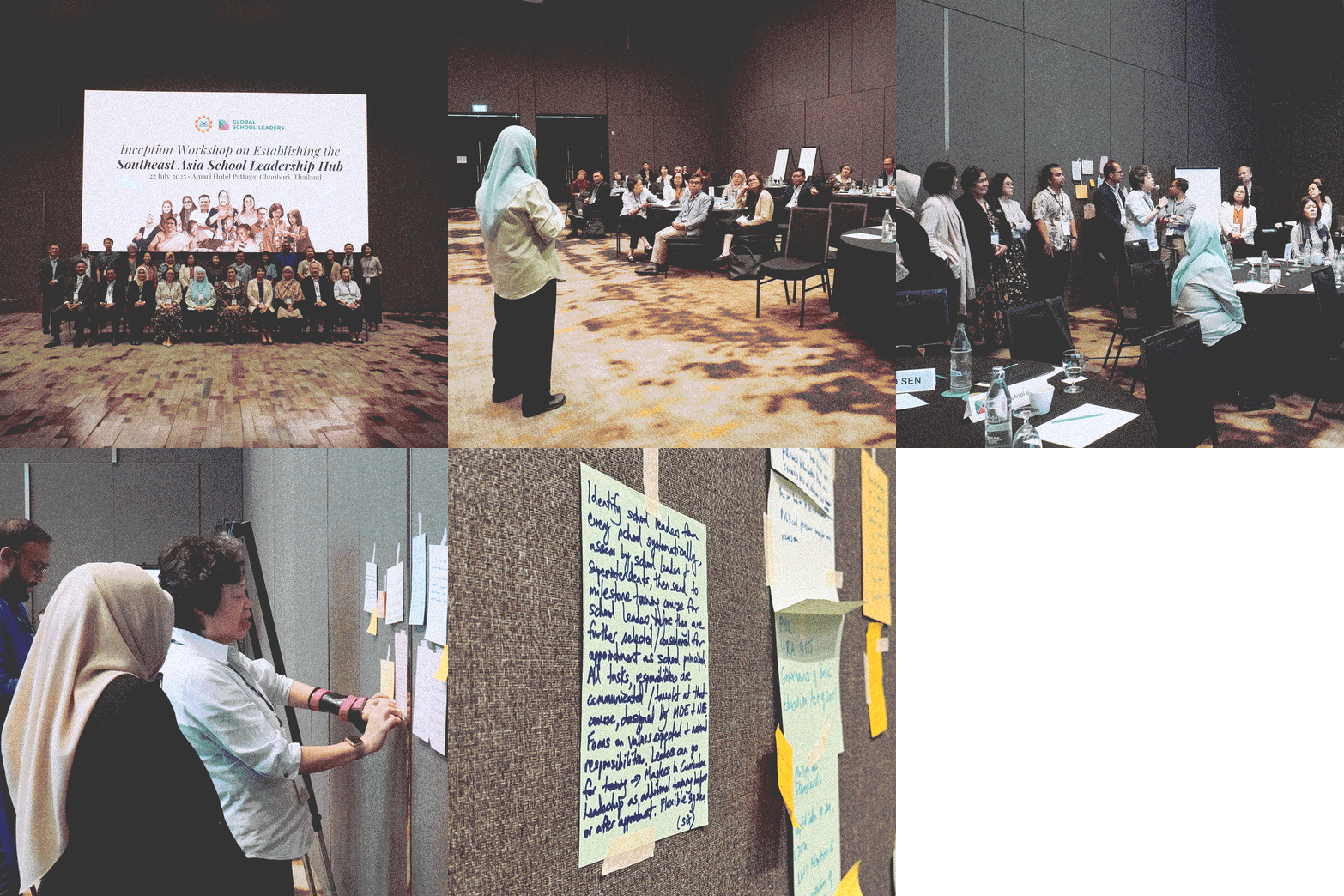
Lanzamiento del Hub del Sudeste Asiático
En julio de 2025, en asociación con la Organización de Ministros de Educación del Sudeste Asiático (SEAMEO), lanzamos el Hub de Liderazgo Escolar del Sudeste Asiático (SEA Hub), la primera plataforma regional de este tipo dedicada a elevar el liderazgo escolar en todo el Sudeste Asiático.
El Hub cuenta con socios de 11 países: Brunéi, Camboya, Indonesia, Laos, Malasia, Myanmar, Filipinas, Singapur, Tailandia, Timor-Leste y Vietnam.
Como parte del inicio del Hub en 2025, con el apoyo de la Fundación Octava,
Se mapearon las prioridades iniciales y se alinearon las expectativas con las de los participantes.
Se llevó a cabo una serie de consultas y entrevistas con los países miembros para garantizar que las prioridades del Hub reflejen las realidades de las políticas nacionales.
Se presentó el borrador de la visión, misión y dirección estratégica en la 48ª Reunión de Altos Funcionarios de SEAMEO.

Aspectos destacados del Hub de América Latina y el Caribe (LAC) para 2025
Expansión de la membresía: la expansión implicó fortalecer los vínculos en Argentina, Brasil, Colombia, México y Perú, involucrar a nuevos países como Guatemala y desarrollar y cultivar miembros potenciales y nuevas asociaciones regionales. El LAC Hub ahora cuenta con siete miembros activos que representan a México, Colombia, Perú, Chile, Brasil y Guatemala.
El LAC Hub entró oficialmente en la Fase 2: Implementación en octubre de 2025, tras los esfuerzos de cocreación realizados en 2024. Esta etapa se caracterizó por la incorporación de un rol estratégico de apoyo dedicado para guiar la iniciativa, así como por el respaldo de la Fundación Tinker.
Desarrollo del plan de trabajo: Se creó un plan de trabajo integral para 2026 con comentarios de los miembros del centro de LAC.
Un importante evento regional que incluye la organización del Foro Regional de América Latina:
Regreso a Clases. Liderando para Transformar en colaboración con el Informe GEM UNESCO y OEI.

Creando espacios para líderes escolares

La School Leadership Network (SLN) sigue siendo un espacio vital para conectar a los profesionales con oportunidades globales. Este año, la SLN se expandió con una nueva cohorte, llevando nuestro alcance directo a 800 líderes escolares en todo el mundo. El grupo continuó creando espacios para que los directores compartieran intereses y aprendieran de diferentes contextos escolares, y compartieran herramientas y prácticas.
SheLeads

A pesar de que las mujeres constituyen la mayoría de los docentes, especialmente en las escuelas primarias, el campo del liderazgo escolar todavía está dominado en gran medida por los hombres, especialmente en el Sur Global. Para aprovechar el potencial demostrado de las mujeres líderes escolares para mejorar los resultados de los estudiantes, creamos una red para que las mujeres participen en el desarrollo profesional y se apoyen mutuamente, intercambiando ideas y recursos mientras construimos una comunidad sólida. En 2025, realizamos nuestra primera cohorte de SheLeads, con 20 participantes de 11 países. Las participantes fueron parte de actividades para conectar entre sí, y también llevaron a cabo proyectos específicos dentro de sus escuelas.
Principals Speak

Ahora, en su tercer año, Principals Speak se ha consolidado como un megáfono esencial para la profesión. La plataforma empodera a los líderes escolares para contar sus propias realidades, generando una conversación liderada por el Sur Global que ofrece a los responsables de políticas información basada en evidencia y con un enfoque personal. Hoy, esta comunidad ha crecido hasta reunir a 900 líderes escolares en 30 países.
The Principals Speak Award 2025. Para celebrar este creciente movimiento, lanzamos el premio Principals Speak, que este año se centró en la alfabetización y la aritmética básica (FLN). Con el equipo del Informe GEM de la UNESCO apoyando el proceso y actuando como jurado, revisamos un grupo competitivo de 60 candidatos preseleccionados. Honramos a cuatro líderes excepcionales de Kenia, Indonesia, Argentina y Malasia: tres seleccionados para representar a sus respectivas regiones y uno elegido mediante votación popular global.
Fortalecer la comunidad educativa
Buscamos usar nuestra plataforma para influir en la agenda global sobre liderazgo escolar. Al crear espacios de aprendizaje compartido, garantizamos que el liderazgo escolar siga siendo una prioridad tanto para los responsables de políticas como para quienes trabajan directamente en las escuelas. Para lograrlo, hemos seleccionado:

“Estoy convencido de que el liderazgo distribuido puede contribuir a sociedades más justas y democráticas, ya que promueve la participación equitativa, el reconocimiento de voces diversas y la construcción de una cultura de responsabilidad compartida. En este sentido, la escuela se convierte en un espacio donde se siembran las bases de una ciudadanía activa, inclusiva y solidaria.”

Manuel Urrutia
Director del Instituto Politécnico María Auxiliadora en Puerto Montt, Chile
“Lo que me motivó a unirme a
“The School Leadership Network” fue compartir conocimientos, aprender estilos de liderazgo, descubrir programas escolares entre países y establecer contactos. Recomendé el programa a otros seis líderes escolares de Indonesia porque creo que es importante extender los beneficios de la Red a todas partes. La Red ha sido una mina de oro de conocimientos y apoyo ”

Kurnia Dwi Wahyuni
Líder escolar, Indonesia
Ramas
Nuestras ofertas
Las ramas de nuestro trabajo son donde la teoría se encuentra con la práctica. A través de capacitación directa y consultoría de alto nivel, ampliamos nuestro alcance a profesionales y sistemas, ofreciendo la sombra y la estructura necesarias para que las escuelas prosperen.
Formación y Consultoría
Expandir impacto y potenciar habilidades
Nivel 1
Empowering Practitioners (Training & Support)
Focus: Building capacity on the ground.
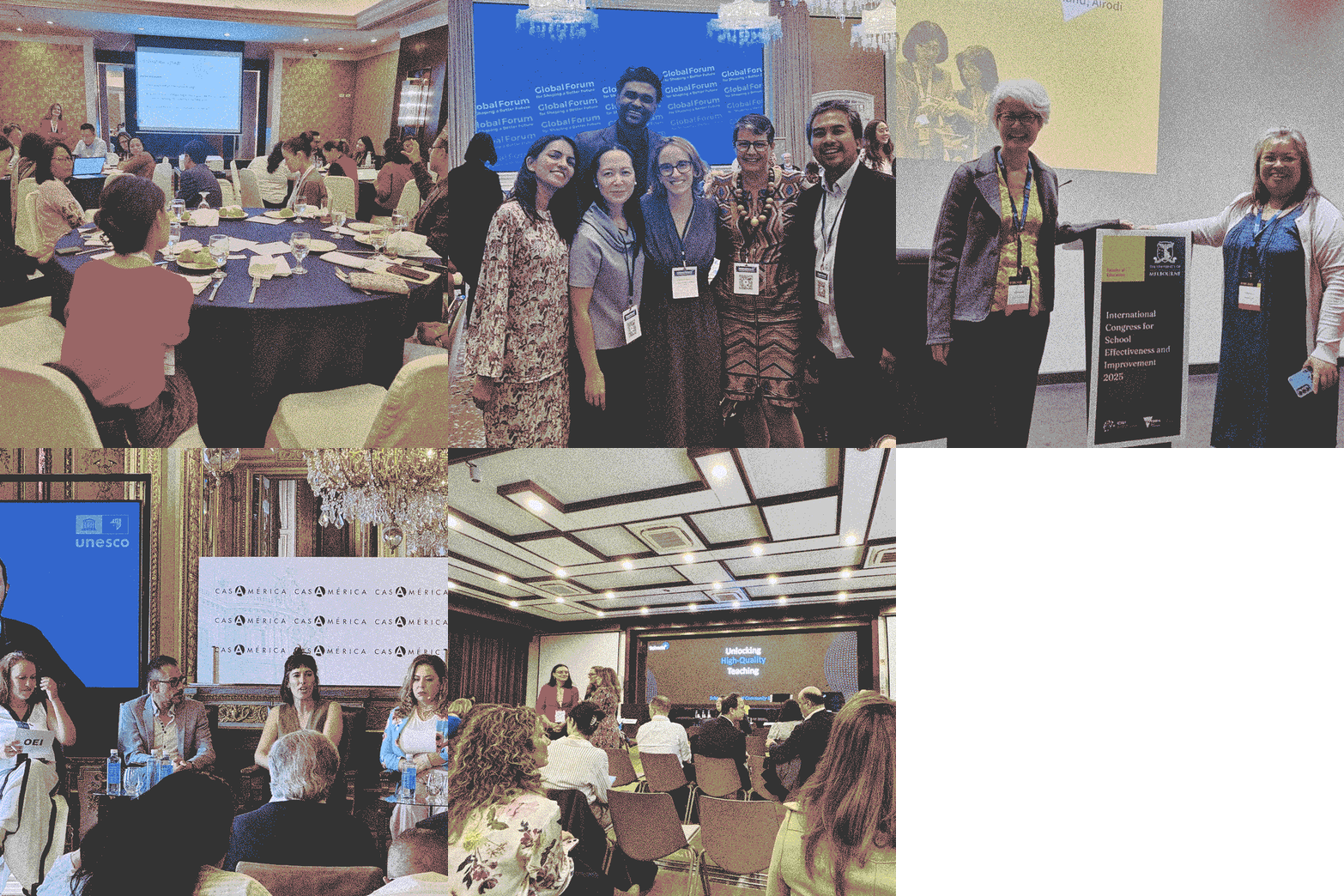
Talleres y compromisos globales
Chispas de cambio
En asociación con Firki, impartimos una sesión de capacitación sobre nuestras Seis Acciones de Alto Impacto, equipando a los educadores con marcos prácticos e inmediatos.
Programa de Liderazgo para el Progreso en el Aprendizaje Fundamental (LEAP) – Addis Abeba, Etiopía
Nuestro equipo facilitó sesiones de desarrollo de habilidades para funcionarios gubernamentales y participó en una presentación de un panel como parte de esta iniciativa organizada por el Banco Mundial.
Cumbre Mundial de Escuelas
Dirigimos un taller para líderes educativos de la sociedad civil, financiadores y gobierno sobre el cambio del liderazgo administrativo al liderazgo educativo.
Conferencia de Al por la Educación - Johannesburgo, Sudáfrica
Dirigimos un taller para líderes educativos de la sociedad civil, financiadores y gobierno sobre el cambio del liderazgo administrativo al liderazgo educativo.
Conferencia sobre evidencia educativa para la acción - Embu, Kenia
Presentamos los hallazgos preliminares de nuestro trabajo en Sierra Leona para empoderar a los líderes escolares para programas FLN sostenibles utilizando tecnología.
DESTACADO
El amplificador de liderazgo
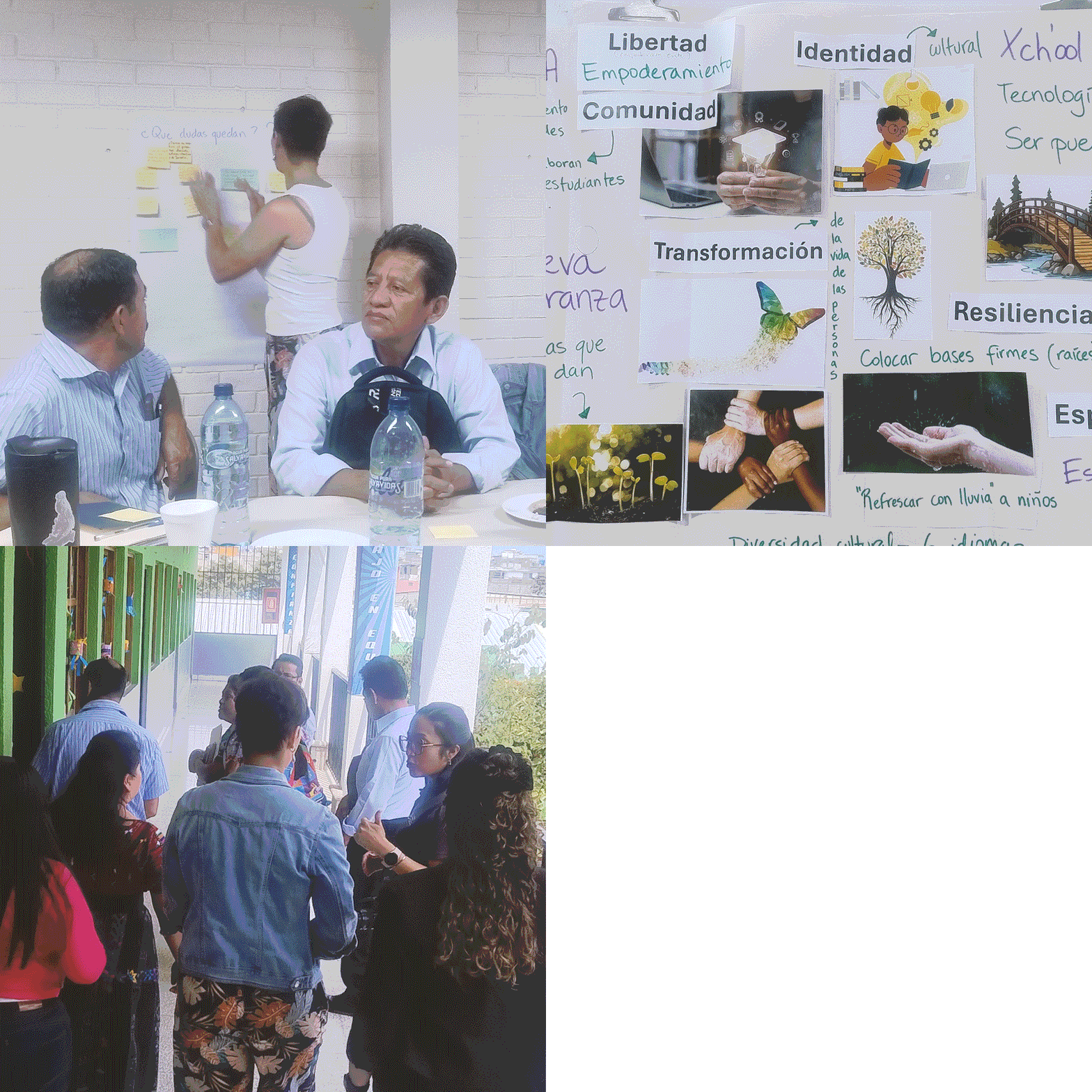
El modelo Leadership Amplifier integra un componente de liderazgo escolar dentro de los programas de desarrollo profesional existentes para docentes. Al combinar programas dirigidos tanto a maestros como a líderes escolares, podemos mejorar significativamente la efectividad de las iniciativas de capacitación y potenciar los esfuerzos ya en marcha.
En 2025, comenzamos a colaborar con la Fundación Luis von Ahn y cinco de sus organizaciones aliadas en Guatemala para cocrear e incorporar un nuevo componente de liderazgo en sus programas actuales. Estas organizaciones ya trabajan con docentes en varias escuelas, enfocándose en alfabetización, matemáticas y aprendizaje socioemocional. Juntos, estamos identificando estrategias prácticas para fortalecer sus esfuerzos, asegurando que los líderes escolares tengan un papel central en la implementación, el acompañamiento a los docentes y la sostenibilidad del impacto.
Un elemento clave de esta iniciativa es la comunidad de práctica establecida entre todos los socios. GSL fomenta que las organizaciones no solo fortalezcan sus programas individuales, sino que también colaboren entre sí, compartan aprendizajes y enfrenten de manera colectiva los desafíos comunes. Esta red colaborativa promueve el aprendizaje entre pares y genera conocimientos que pueden orientar políticas educativas más amplias y reformas a nivel de sistema.
DESTACADO
Alianza de Escuelas con Equidad de Género (GESL)
Esta ambiciosa iniciativa de tres años, apoyada por Echidna, reúne nuestros pilares centrales para impulsar el progreso sistémico hacia la equidad de género.
Con nuestro lanzamiento en Ghana y Kenia, nos asociaremos con 10 organizaciones locales para poner a prueba el modelo de la Alianza.
Estos socios adaptarán estrategias específicas del contexto para elevar el liderazgo inclusivo mientras se unen a una comunidad de práctica colaborativa. El objetivo final es generar conocimientos prácticos que catalicen el cambio de políticas dentro de sus ecosistemas educativos nacionales.
Nivel 2
Consultoría Estratégica
Enfoque: Asesoramiento sobre cambios de sistemas
Brindamos asesoramiento estratégico de alto nivel a gobiernos y ONGs, traduciendo datos complejos en políticas viables que integren el liderazgo escolar en el corazón de los sistemas educativos nacionales.
Algunos intentos de lograr esto en 2025 con:
La Coalición Brasileña para el Liderazgo Escolar
Como socio técnico de una coalición liderada por el Centro Lemann, junto con el Instituto Unibanco, Motriz, Todos pela Educação y el Instituto Natura, estamos trabajando para garantizar que todas las escuelas de Brasil tengan un líder excelente para 2035. La iniciativa apunta tanto a los estándares de políticas nacionales como al apoyo directo a la implementación para 17 redes estatales y 143 municipales, impactando a casi 40,000 líderes.


Cosecha
Una temporada de cosecha exitosa se mide por su rendimiento. En 2025, el trabajo preliminar que sentamos (labrar el terreno político y fomentar las raíces de los socios) produjo una cosecha de evidencia procesable y cambios sistémicos.
Ahora estamos viendo resultados tangibles: líderes más empoderados, aulas más efectivas y una comunidad global equipada con las herramientas para sostener este crecimiento hasta 2026 y más allá.
"Para Educando, los recursos de GSL son un referente tanto a nivel regional como global. Poder confiar en ellos para alinear nuestro propio contenido es profundamente relevante y valioso para nosotros"
"[Gracias al apoyo de GSL...] Dignitas pudo crear sesiones de aprendizaje significativas en torno a nuestro trabajo de género basándose en perspectivas extraídas de piezas de liderazgo educativo y de género."
Conclusión
La próxima temporada de crecimiento
Nuestra estrella guía hacia 2035
Catalizamos el campo del liderazgo escolar en el Sur Global para mejorar las políticas y las oportunidades de aprendizaje profesional para los líderes escolares.
Mirando hacia el futuro
El camino hacia la Estrella guía del 2035
2025 fue un año de grandes transiciones para nosotros: transiciones hacia una nueva estrategia, transiciones hacia un enfoque más profundo en el cambio sistémico, transiciones dentro de nuestro equipo y estructura organizacional. Fue un año en el que trazamos nuestro nuevo camino y probamos formas de avanzar en esta nueva dirección.
En 2026, nuestra dirección es aún más clara. Estamos agudizando nuestro enfoque en lo que creemos que es la palanca menos utilizada para la mejora educativa: el líder escolar. Al profundizar nuestro compromiso con esta Estrella, pretendemos cerrar la brecha entre la política y la práctica.
_edited.png)
Nuestra estrategia para el próximo año se basa en tres pilares:
Escalando la excelencia
Garantizar que los líderes de todo el Sur Global tengan acceso a un desarrollo profesional sostenible y de alta calidad.
Reforma sistémica
Ir más allá de los programas piloto para trabajar con socios en la implementación de políticas que institucionalicen un liderazgo efectivo
Fortalecimiento del sector
Cultivar un ecosistema global sólido donde las partes interesadas colaboren, compartan conocimientos y prioricen el liderazgo como motor de cambio no negociable.

Estas son algunas de las iniciativas que estamos siguiendo para llevar a cabo nuestra nueva estrategia:
Evidencia para la acción
Realizaremos una Revisión Integral de Evidencia sobre Políticas, proporcionando a los gobiernos los datos necesarios para diseñar leyes que fortalezcan el liderazgo escolar en el Sur Global.
Recursos y programas
Continuaremos trabajando con nuestros socios para fortalecer sus capacidades a través de distintos programas, con el objetivo de formar y empoderar a más líderes escolares.
Construcción de coaliciones
Moveremos el Hub del Sudeste Asiático (SEA) desde su fase fundacional a su implementación total, impulsando la colaboración regional y continuaremos profundizando nuestro trabajo en el Hub de LAC.
Consultoría Técnica
Continuaremos guiando el cambio sistémico en Brasil, asesorando sobre estándares de liderazgo nacional, mientras ampliamos nuestro soporte técnico a otras organizaciones y sistemas preparados para la transformación.
El sector está preparado, pero una buena cosecha requiere cuidados y atención constantes.
Invitamos a nuestros socios y financiadores a continuar regando este ecosistema con nosotros, asegurando que las semillas que hemos plantado hoy crezcan hacia un futuro en el que cada niño asista a una escuela dirigida por un líder eficaz y empoderado.
Jardineros
Fortalecimiento de nuestro ecosistema interno
Para cultivar un campo global, primero debemos asegurarnos de que nuestro ecosistema interno sea resiliente, inclusivo y ágil. En 2025, Global School Leaders siguió prosperando con un equipo ágil y de alto impacto de 18 miembros que encarnan la diversidad de las comunidades a las que servimos.
Una fuerza laboral global diversa e inclusiva
Ampliamos nuestro alcance de reclutamiento para garantizar que el talento que guía nuestra estrategia refleje el Sur Global. Para todos los puestos de tiempo completo contratados en 2025, nuestro grupo de candidatos calificados representó a 22 países del Sur Global. De este excepcional grupo de talentos, dimos la bienvenida a tres nuevos miembros y, al mismo tiempo, mantuvimos una sólida tasa de retención de personal del 83 % en general.
Huella Global
Los miembros del equipo residen en 10 países, abarcando todas las regiones donde operamos.
Amplitud lingüística y cultural
Nuestro equipo habla 11 idiomas nativos diferentes y representa 6 razas y etnias diferentes.
Experiencia vivida
El 41% de nuestro personal se identifica como graduados universitarios de primera generación, lo que aporta una comprensión profunda y personal del poder transformador de la educación.
Una cultura de excelencia
Nuestra encuesta interna anual refleja un equipo que se siente apoyado y profundamente conectado con nuestra misión:
El 100% de los miembros del equipo se sienten valorados por sus contribuciones.
El 100% informa tener soporte profesional confiable dentro de la organización.
El 100% expresa satisfacción general con GSL como empleador.
Innovación en el trabajo remoto y global
Como organización global totalmente remota, la agilidad es nuestra ventaja competitiva. No sólo nos adaptamos al cambio; nosotros lo lideramos. En 2025, priorizamos convertirnos en un lugar de trabajo avanzado en IA, pasando de ser escépticos a usuarios avanzados. Al integrar herramientas de vanguardia en nuestros flujos de trabajo diarios, hemos optimizado nuestras operaciones y nos hemos mantenido a la vanguardia de las tendencias de desarrollo global. Este compromiso con la innovación garantiza que GSL siga siendo ágil, eficiente y listo para enfrentar los desafíos cambiantes del liderazgo escolar.
Equipo y Consejo Asesor
Reconocimiento a las personas detrás del trabajo

Abraham Okuma
Gerente sénior,
Programas

Adhishree Parasnis
Jefe de Comunicaciones y Promoción

Aisha Otwoma
Gerente Sénior, Investigación

Animesh Priya
Jefe de
Asociaciones

Avni Gupta-Kagan
Jefe de Estrategia
y Operaciones

Bruno Betat
Director de
Desarrollo

Camila Pereira
director
ejecutivo

Catalina Hepp
Gerente,
Crecimiento

Dewi Susanti
Jefe de Contenidos y Conocimiento

Esmail Bagasrawala
Gerente de Comunicaciones

Gautam Anand
Director de
Investigación

Grace McManus
Gerente Senior, Proyectos Especiales

Hassan Jamil
Gerente Senior, Proyectos Especiales

Ivana Zacarías
Director de
Programas

Madiha Sayani
Gerente Sénior, Investigación

Magdalena Fernández Lemos
Jefe de Crecimiento

Paula Royo
Gerente Sénior, Comunicaciones

Sanya Sagar
Gerente Senior, Programas

Swarna Surya
Director de Tecnología e Innovación

Tamara Philip
Director de
Programas

Tejas Airodi
Gerente Sénior, Investigación

Nuestro Consejo Asesor
Dr. Amrita Ahuja
Azad Oommen
Dana Schmidt
Folawe Omikunle
Sameer Sampat
Vikas Pota
Residentes y pasantes en desarrollo profesional intermedio
Arturo Valladolid
Chilipo Gunda
Stephen Nyamu Nduvi
Uma Maheswara Rao Modepalli
Un agradecimiento especial a nuestros consultores que nos apoyaron durante todo el 2025.
Aniket Thukral
Esi Eduafowa Sey
Gabriela Néspoli
Gina Ikemoto
Hemakshi Meghani
Jose Weistein
Juliana Gregory Cavalcante
Julieta Odisio Martinelli
Krishnendu Nair
Lucrecia Saltzmann
María Gabriela Alvarado Pérez
Mercedes Caso
Ndinae Kalushi
Sharath Jeevan
Nuestros financiadores y finanzas:
Así como el sol y el agua proporcionan la energía vital para que un campo florezca, nuestros financiadores, nuestros ingresos y nuestro gasto disciplinado representan los recursos esenciales que impulsan nuestra misión global y sostienen nuestro impacto a largo plazo. Le agradecemos su continuo apoyo.


